A Texas rental property
Home / Landlord Insurance

Texas Landlord Insurance: It isn't a house. It's income.

A rental needs a policy built for the building, the liability, and the rent. Homeowners insurance on a tenant-occupied property is a claim waiting to be denied.

DP-3
The Policy A Rental Needs
12 Mo
Typical Loss Of Rent Limit
§92.054
TX Law: Rent Stops After A Casualty
15 min
To a Real Quote
The Quick Answer

A Texas rental needs a landlord policy, also called a DP-3 dwelling fire policy, not homeowners insurance. Filing a homeowners claim on a tenant-occupied property can be investigated and denied. Expect to pay often roughly 15 to 25 percent more than a homeowners policy on the same house, in exchange for three things a homeowners policy will not do: cover the dwelling as a rental, cover landlord liability, and replace lost rent when a covered loss makes the unit uninhabitable. The Texas wrinkle: under Property Code §92.054, a casualty that makes the unit unusable lets the tenant terminate the lease and stop paying — your mortgage does not stop, and that gap is exactly what loss of rent coverage exists for. In Arlington and across DFW, rentals face hail and wind (often with a percentage deductible), winter freezes and burst pipes, especially while a unit sits vacant between tenants, and foundation movement on expansive clay soil, which is typically excluded. Tenant belongings are never covered, so require renters insurance and be named as additional interest. Robinson Legacy Partners, the Allstate agency of Clarence Robinson II in Arlington, reviews rental property free, with help in seven languages, at (817) 262-5300.

Right policy
DP-3 landlord, not homeowners
Typical cost
Often 15 to 25% above homeowners
Never covered
Tenant belongings, unpaid rent
Call first
(817) 262-5300
Arlington Landlord Insurance, The Short Version

The most expensive mistake is the quietest one. Wrong policy, right property.

It happens like this. You bought the place, lived in it, insured it as a home or a condo. Then you moved, kept it, and rented it out. The policy renewed automatically every year, so nobody thought about it. Now a pipe bursts, you file a claim, and the adjuster asks who has been living here.

A homeowners policy is written for a home you occupy. Once tenants live there, the insurer can investigate occupancy and deny the claim. Years of premiums, no coverage, and it is entirely avoidable with one phone call. If you are renting out a property that is still on a homeowners policy, stop reading and call us. That is the whole point of this page and everything below is detail.

The right policy is a landlord policy, technically a dwelling fire or DP-3 form. It often costs roughly 15 to 25 percent more than homeowners on the same house, and it does three jobs that a homeowners policy does not: it insures the building as a rental, it covers the liability that comes with people living in a property you own, and it replaces the rent when a covered loss puts the unit out of service. That last one is why this policy exists. Your mortgage does not care that the kitchen burned.

And Texas puts a sharp edge on it: under Property Code §92.054, when a casualty the tenant didn't cause makes the unit unusable, the tenant can terminate the lease and the rent stops. The law is fair to the tenant and silent about your note. Loss of rent coverage, sized to a realistic Texas repair timeline, is the piece of paper standing between a burned kitchen and twelve months of payments with no income against them. It is the first thing we look at on a rental in this state.

What a landlord policy covers. And what lands back on you.

Three coverages do the real work: the building, the liability, and the rent. The exclusions are where landlords get surprised.

Core
Rebuild Cost

Dwelling

The structure, at what it costs to rebuild today rather than what the property would sell for. Take replacement cost over actual cash value: a fire that destroys a twenty-year-old roof should buy you a new roof, not a depreciated fraction of one.

Core
$500k+

Landlord Liability

The broken stair rail, the slip on the walkway, the dog the tenant was not supposed to have. Covers defense costs as well as the judgment. Start at $500,000 and put an umbrella on top, because rental property attracts claims that owner-occupied homes do not.

Core
12 Months

Loss of Rent

Replaces rental income while a covered loss makes the unit uninhabitable, usually up to about twelve months of fair rental value. Match the limit to a realistic Texas repair timeline, which after a big DFW hail season, when roofers are booked for months, is longer than you would like.

Worth adding
Civil Authority

Civil Authority

Responds when a government order blocks access to the property — after a tornado, a major fire next door, or a gas leak on the block — even before your own damage is tallied. Not every form includes it, and it carries time limits and conditions. Ask us how yours reads.

Worth adding
Vacancy

Vacancy Endorsement

Many dwelling policies limit coverage once a property sits empty past a set period, often 60 consecutive days and sometimes less. Vandalism, glass breakage, and freeze damage are often the first things limited. Turnover and renovations are normal. Tell us before it happens and we will keep the coverage right.

Worth adding
Your Stuff

Landlord Property

The appliances, the washer and dryer, the furniture in a furnished unit, the lawn equipment in the garage. It is your property, not the tenant's, and standard limits are thin. Worth sizing on purpose.

Not covered
Their Stuff

Tenant Belongings

Never covered, and it should not be. That is what renters insurance is for. Require it in the lease, ask to be added as additional interest, and verify it at renewal.

Not covered
Bad Tenants

Unpaid Rent & Evictions

A tenant who stops paying is a legal problem, not a claim. Loss of rent responds to covered physical damage, not to a bad tenancy. Eviction costs and rent you never collected are not on the policy.

Not covered
Clay & Flood

Foundation Movement & Flood

North Texas expansive clay soil shrinks and swells, and settling, cracking, and earth movement are typically excluded. Damage caused by a sudden plumbing leak may be treated differently depending on the policy. Flood is always a separate policy: NFIP flood coverage protects the building you own, and your tenants need their own contents flood policy.

Renting out a place that is still on a homeowners policy?

It is the most common gap we find, and the most expensive one. Fixing it takes one call, and it is the difference between a paid claim and a denied one.

The Texas Fine Print

The rent can legally stop. Your mortgage will not.

This is the part of the page worth reading twice, because it is specific to Texas, and most landlords have not run the math on it.

What the law actually does

Texas Property Code §92.054 governs what happens when fire, storm, or another casualty the tenant didn't cause damages a rental. If the unit becomes totally unusable, either you or the tenant may terminate the lease, and the tenant's rent obligation ends, prorated to the date they moved out. If the unit is partially unusable, the tenant can seek a rent reduction. The statute is reasonable, tenant and landlord both get an exit, and it says nothing at all about the note you still owe on the first of the month.

Picture the realistic version. A spring storm brings hail and straight-line wind, and a tree comes through the roof of your south Arlington rental in April. The tenant, quite legally, terminates and moves. Repairs take eight months in a metro where every roofer is booked after a big hail season. That is eight mortgage payments with no rent against them — unless loss of rent coverage, sized to the actual fair rental value over an actual Texas repair timeline, is on the policy doing its one job.

The North Texas list, rental edition

A rental in DFW faces the same weather as an owner-occupied home, with one difference: every loss also interrupts income. Hail and wind are the big ones. Many North Texas policies carry a percentage wind and hail deductible, commonly 1 to 2 percent of the dwelling limit, which on a rental is a business expense you want planned rather than discovered. Roof age matters too: some policies settle older roofs at actual cash value instead of replacement cost, so an aging roof can leave you paying a big share of a hail replacement. And flood is always separate — on a rental near Johnson Creek, Rush Creek, or Village Creek, NFIP flood coverage on the building is the difference between a bad quarter and a lost investment.

Freeze, vacancy, and the foundation

The February 2021 winter storm taught North Texas landlords an expensive lesson: burst pipes do the most damage in a unit nobody is watching. Dwelling policies typically expect you to maintain heat, or shut off and drain the water, in a vacant or unoccupied property, and many limit coverage once a property sits vacant past a set period. Between tenants, keep the heat on, check the property during hard freezes, and tell us before a vacancy runs long. Then there is the ground itself: expansive clay soil moves foundations all over the Metroplex, and foundation settling and earth movement are typically excluded. Water damage from a sudden plumbing leak may be treated differently depending on the policy, so ask how yours reads before you need it.

One more layer worth naming: your tenants. Their belongings are never on your policy, and after a flood, an uninsured tenant's loss has a way of becoming your dispute. Require renters insurance in the lease, and mention that a contents-only NFIP flood policy may be available to them. It protects them, and it quietly protects you.

What to do with this

Send us the declarations page on every door you own. We will tell you whether the policy is actually a landlord form, what the loss of rent limit really buys at today's rents, where the hail deductible sits, how the roof would be settled, and whether the flood layer exists at all. Fifteen minutes per property, free, and better done before hail season than after the first storm. On the lease language and the tenant-law side of §92.054, talk to a landlord-tenant attorney, because we are insurance people and that is not our lane.
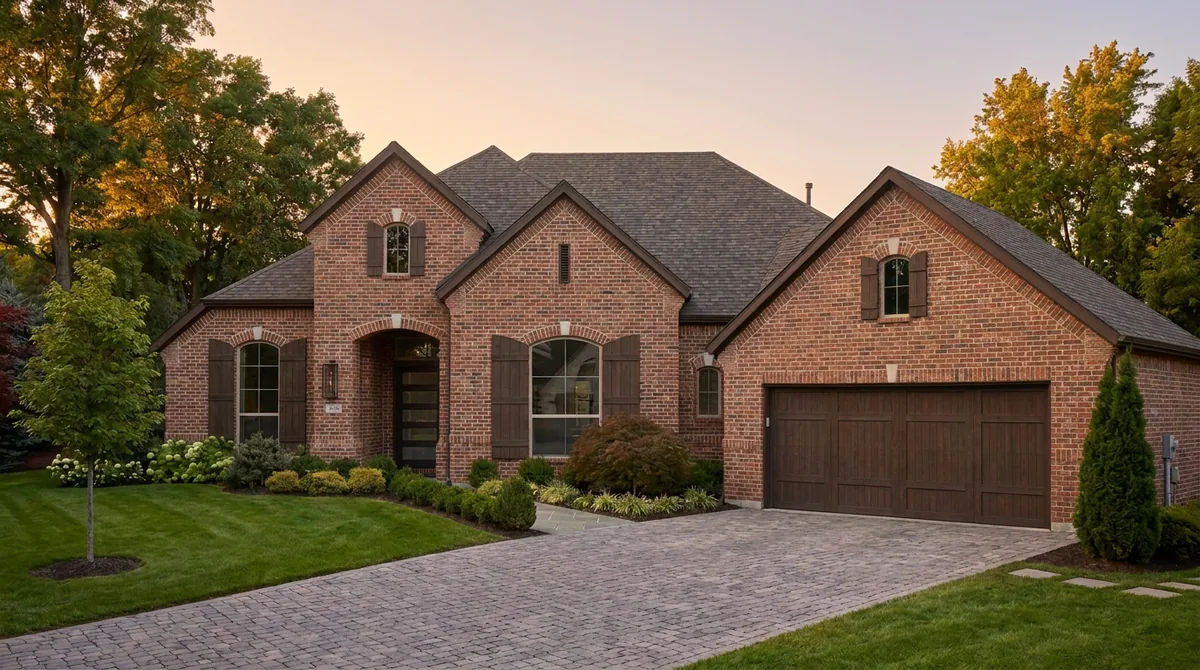
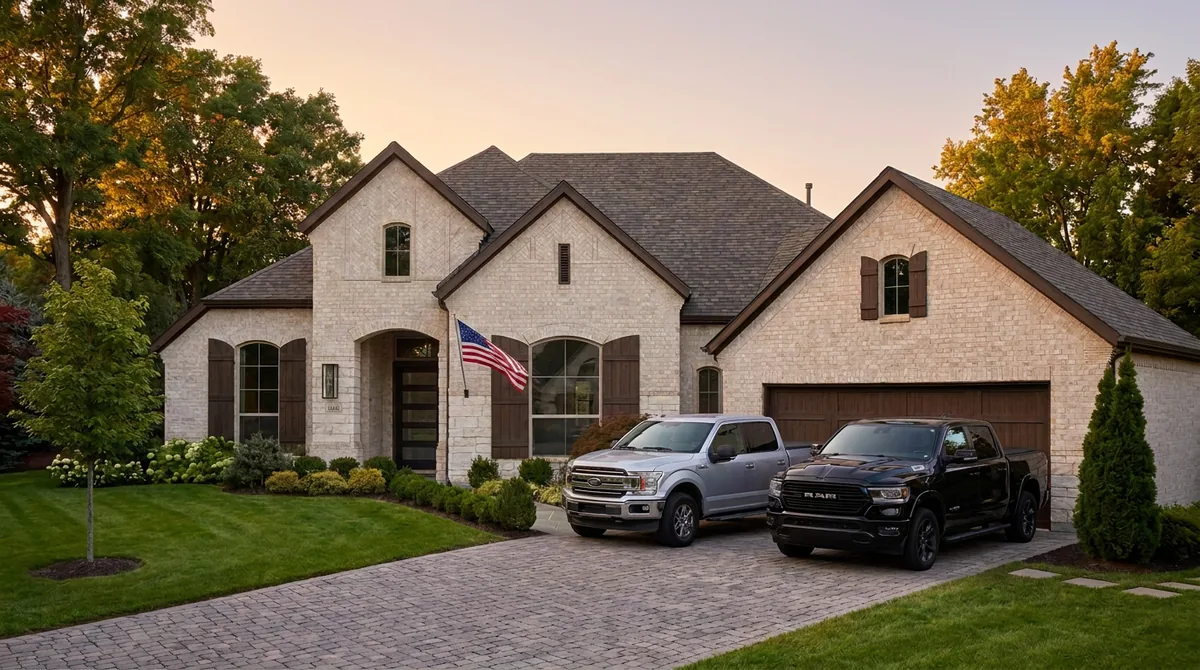
Does your loss of rent limit match what the unit actually rents for?

It is a fifteen-minute read of your declarations page and it is free. Better to know before hail season than to find out after the first storm.

Seven ways to protect the return. Not just the building.

A rental is a business, so the goal is not the cheapest premium. It is the best after-tax cost of risk, and those are different numbers.

1

Require renters insurance, then actually verify it

Put a minimum liability limit in the lease, ask to be added as additional interest so you are told when it lapses, and check at each renewal. A tenant with their own coverage means their loss goes to their own insurer instead of becoming your liability claim. We are happy to quote your tenants directly, in seven languages.

2

Buy the umbrella. It is the cheapest thing on the page.

Rental property attracts liability the way owner-occupied homes do not. An umbrella stacks $1 million or more across your rentals, your home, and your auto for a few hundred dollars a year. Measured per dollar of protection, nothing else comes close.

3

Take a real deductible, because you are a business

You should not be filing small claims on a rental anyway: claims history follows the property and drives both price and whether the property stays insurable. Set the deductible where it belongs and self-insure the small stuff on purpose.

4

Bundle the rentals with your own policies

Your rentals, your home, and your auto with one Allstate agent may earn a multi-policy discount. It also means one person can see your whole exposure instead of four people each seeing a slice of it, and every door gets an annual coverage and discount review.

5

Put the money in the roof

In DFW the roof is where hail hits first, and insurers look hard at rental roofs. Class 4 impact-resistant shingles may qualify for a discount, a documented newer roof can affect eligibility and how a roof claim is settled, and an older roof may be settled at actual cash value. On a rental the roof does double duty: lower premium, fewer tenant disruptions.

6

Tell us when the use changes

Long-term lease became a short-term rental. Tenant moved out and it is vacant for four months. You finished out the garage apartment and rented that too. Every one of those changes the policy, and every one is a denied claim if we hear about it after the fact instead of before.

7

Remember the premium is deductible

Insurance on a rental is generally a deductible business expense, so the after-tax cost is lower than the invoice. That is worth remembering before you cut coverage to save a few dollars a month. Confirm the details with your CPA, since we do insurance and they do taxes.

However you landlord. Let's talk it through.

One condo, a duplex, the house you moved out of, the garage apartment out back, a student rental near UT Arlington. Each is a different policy conversation.

One door or a dozen, the review is free.

Tell us what you own and how it is rented. We will tell you what the policy should be, what it costs, and what is currently exposed.

Landlord insurance in Arlington. And across DFW.

Rental property is priced ZIP by ZIP, from student rentals near UT Arlington to rental homes in Mansfield, Grand Prairie, and Fort Worth. Tell us where the door is.

Texas landlord insurance questions. Straight answers.

Can I use homeowners insurance on a rental property?

No, and this is the most expensive quiet mistake in rental ownership. A homeowners policy is written for a home you occupy; once tenants live there, the insurer can investigate occupancy and deny the claim.

A tenant-occupied property needs a landlord policy, technically a dwelling fire or DP-3 form. If your rental is still on a homeowners policy, fixing it takes one phone call.

What does landlord insurance cover?

Three coverages do the real work: the dwelling at rebuild cost, landlord liability for injuries and property damage claims arising from the rental, and loss of rent when a covered loss makes the unit uninhabitable, usually up to about twelve months of fair rental value.

Landlord-owned property like appliances gets its own limit. What it never covers: tenant belongings, unpaid rent from a bad tenancy, or eviction costs.

How much does landlord insurance cost in Texas?

Expect to pay often roughly 15 to 25 percent more than a homeowners policy on the same house, in exchange for coverage that actually responds on a rental.

Hail exposure, roof age and condition, claims history, and how the property is rented all move the number. The premium is generally a deductible business expense, so the after-tax cost is lower than the invoice — confirm with your CPA.

What happens to the rent after a fire or storm in Texas?

Texas Property Code 92.054 says that when a casualty the tenant didn't cause makes the rental totally unusable, either party may terminate the lease, and rent stops or is prorated.

Your mortgage does not stop. That gap between a tenant who legally walked away and a note that is still due on the first is precisely what loss of rent coverage exists for — sized to a realistic Texas repair timeline.

Does landlord insurance cover hail and wind damage in North Texas?

Generally yes. Windstorm and hail are covered perils on a DP-3, and loss of rent can apply while covered damage keeps the unit out of service. The details that matter are the deductible, which in North Texas is often a percentage of the dwelling limit, commonly 1 to 2 percent, and how the roof is settled, since some policies pay actual cash value on older roofs.

Know both numbers before hail season. On a rental, the deductible is a business expense you want planned rather than discovered. Flood is always a separate policy.

Are tenant belongings covered by my landlord policy?

Never, and they should not be. That is what renters insurance is for.

Require it in the lease with a minimum liability limit, ask to be added as additional interest so you are notified if it lapses, and verify at each renewal. A tenant with their own coverage means their loss goes to their own insurer instead of becoming your liability claim.

Does landlord insurance cover unpaid rent or evictions?

No. A tenant who stops paying is a legal problem, not a claim.

Loss of rent responds to covered physical damage that makes the unit uninhabitable, not to a bad tenancy. Eviction costs and rent you never collected are not on the policy; rent default products exist separately, and screening remains the better investment.

What if my rental sits vacant between tenants?

Tell your agent before it happens.

Many dwelling policies limit coverage once a property sits empty past a set period, often 60 consecutive days and sometimes less, and vandalism, glass breakage, and freeze damage are often the first to bite. The February 2021 winter storm showed North Texas landlords that a vacant unit with the heat off is where burst pipes do the most damage. Keep the heat on or the water shut off and drained, and ask about a vacancy endorsement for longer gaps.

Does landlord insurance cover foundation problems?

Usually not the movement itself. North Texas expansive clay soil shrinks and swells, and settling, cracking, and earth movement are typically excluded on dwelling policies.

Where it gets nuanced is water: damage caused by a sudden plumbing leak, sometimes including a slab leak, may be treated differently depending on the policy language. Ask us how your form reads, and keep up with drainage and foundation maintenance, which no policy covers.

Do I need special coverage for an Airbnb or short-term rental?

Yes. Standard landlord forms often exclude stays under 30 days, and platform host protection is not an insurance policy you control.

If you rent near the Entertainment District or anywhere in Arlington, check Arlington's short-term rental rules first, then ask us what's available for that use. Disclosing the rental pattern up front is the whole game — a denied claim after the fact costs far more than the right policy would have.

Do I need an LLC, an umbrella, or both for my rentals?

The entity question belongs to your attorney and CPA; the insurance answer is that rental property attracts liability that owner-occupied homes do not, and an umbrella stacking $1 million or more across your rentals, home, and auto costs a few hundred dollars a year.

Measured per dollar of protection, nothing else on the page comes close. Make sure the policy names match how the property is actually owned.

What about a garage apartment or a room I rent out?

Renting the unit over the garage or a room in your own home changes your policy in ways a homeowners form was never meant to handle, and it is one of the most common gaps we find.

Depending on the arrangement, the fix is an endorsement or a different form entirely. Tell us the setup before the tenant moves in — that is the moment coverage needs to change.

How much loss of rent coverage do I need?

Match it to fair rental value over a realistic repair timeline, and in DFW that timeline stretches after a major hail or tornado event, when roofers, contractors, and materials are scarce metro-wide.

Twelve months of fair rental value is the common shape; underestimating the monthly figure or the timeline is the common mistake. We size it to your actual lease, not a default.

Can you help me and my tenants in another language?

Yes. Our Arlington office serves clients in seven languages: English, Spanish, Arabic, Hindi, Punjabi, Urdu, and Coptic, with more languages coming as our team grows.

That helps landlords who would rather talk through a policy in their own language, and it helps your tenants understand the renters insurance your lease requires. Call (817) 262-5300 and tell us which language you prefer.

Still have questions? Call (817) 262-5300. We will give you a straight answer.

Protect the building, the liability, and the rent.
Free, fast, and in plain English.

Tell us about the property and how it is rented. We will build the policy around the investment and quote it in about 15 minutes.